
Regular eye exams are a simple step to protect your and your family’s eye health. The proper schedule for comprehensive eye exams changes throughout your life and depends on your age and overall health.
You should always follow your optometrist’s recommendations for eye exam frequency to help stay on track with preventative care. They take the guidelines provided by the Canadian Association of Optometrists and tailor them to your unique situation.
Why Regular Eye Exams Matter More Than You Think
An eye exam does more than check how well you see. It’s a comprehensive look at your overall eye health, and it can even reveal signs of other health conditions. This preventative approach is key to maintaining clear vision for years to come.
Catch Eye Problems Early
Many common eye diseases don’t have obvious early signs. A thorough exam allows your eye doctor to spot potential issues, enabling the early diagnosis and management of eye diseases.
Keep Your Prescription Up to Date
Your vision can change gradually over time. Regular exams make sure your glasses or contact lens prescription is accurate. Having an updated prescription helps you see clearly and comfortably.
See the Full Picture of Your Health
Your eyes can offer clues about your overall wellness. An eye exam can sometimes detect signs of other conditions, such as high blood pressure, diabetes, and even some cancers. This gives you a fuller picture of your health.
Recommended Eye Exam Frequency by Age
The Canadian Association of Optometrists provides guidelines that can help you know the minimum frequency for eye exams. Your eye doctor creates a personalized schedule based on your family’s specific needs. This approach helps address your unique optical solutions.
For Infants and Preschoolers
A child’s first eye exam should be between 6 and 9 months old. After that, they should have at least 1 exam between the ages of 2 and 5. This checks that their eyes are developing properly.
For School-Age Children and Teens
Children and teens from 6 to 19 should have an eye exam every year. Good vision is essential for learning and development, which is why annual children’s eye exams are so important. Their eyes can change quickly over these formative years.
For Adults 20 to 64
The recommendation is typically an exam every 2 years if you don’t have vision problems or risk factors. Your eye doctor will provide a specific, tailored recommendation. This personalized advice ensures your unique eye health is taken into account for the recommendation.
For Adults 65 and Older
Annual eye exams are the usual recommendation once you’re 65 or older. This schedule allows for close monitoring of your eye health. It can also help catch any age-related conditions early.
When You Might Need More Frequent Eye Exams
General guidelines are a great starting point, but some factors mean you may need to see your eye doctor more often. Your personal health and vision needs determine the ideal schedule for you.
If You Wear Glasses or Contacts
Your eye doctor may recommend annual exams if you rely on corrective lenses. This ongoing monitoring ensures your prescription is current. It also confirms your eyes are healthy, which is especially important if you’re a contact lens wearer.
If You Have Certain Health Conditions
Health conditions like diabetes can affect your eyes, and routine diabetic eye exams help monitor for any changes. This frequent exam schedule is an essential step in your overall treatment plan to protect your vision and health.
If You Notice Vision Changes
You don’t have to wait for your next scheduled appointment if you experience changes in your vision. Any new symptoms should prompt a visit. Some signs to look for include:
- Blurry vision
- Flashes of light or new eye floaters
- Eye pain or strain
- Frequent headaches
What to Expect at Your Eye Exam
An eye exam is a straightforward and comfortable process. The goal is to get a complete picture of your vision and eye health.
A Chat About Your Health History
Your eye doctor typically asks about your personal and family medical history. These questions help them understand any potential risks for eye conditions. The extra information gives crucial context for your exam.
This portion of the exam is often more extensive for new patients, but we update the information at every visit.
Vision and Eye Function Tests
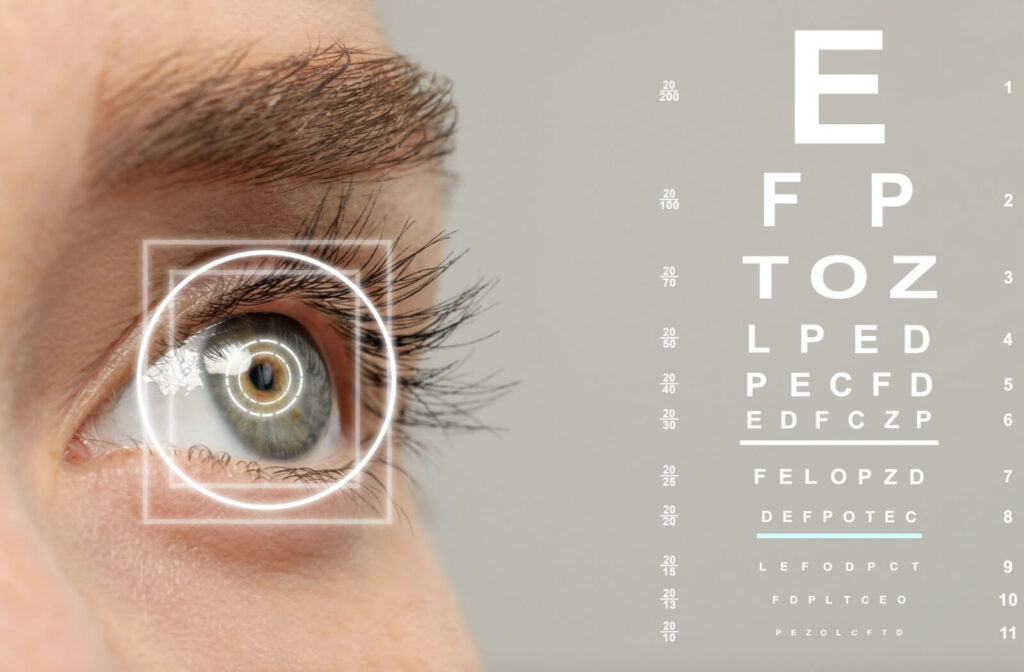
This part of the exam checks how clearly you can see at different distances. It also assesses how well your eyes work together. Your eye doctor often checks your peripheral vision and eye muscle movement, too.
A Look at Your Eye Health
The team uses effective diagnostic instruments to examine the internal and external structures of your eyes. For example, additional diagnostics may include a dilated eye exam to check for signs of eye disease.
Tips for Healthy Eyes Between Visits
While regular exams are important, daily habits also contribute to your eye health. Small, simple actions can help protect your vision every day.
Protect Your Eyes From the Sun
Wear sunglasses that block UV rays whenever you’re outdoors. This simple step helps reduce your risk of developing certain eye conditions over time. Make it a habit for everyone.
Follow the 20-20-20 Rule for Screentime
If you spend a lot of time on digital devices, give your eyes a break. Every 20 minutes, look at something at least 20 feet away for 20 seconds. Following the 20-20-20 rule can help reduce digital eye strain.
Eat a Diet Rich in Eye-Friendly Nutrients
Certain foods containing vitamins and minerals can support your eye health. Try to include leafy greens, colourful fruits, and fish in your diet. A balanced diet supports your overall wellness.
Don’t Neglect Your Eye Health
Staying on top of your eye health is one of the best things you can do for yourself. Regular, preventative care is key to seeing your world clearly for years to come. You deserve clear and comfortable vision.
The team at iSight Optometry provides family-focused care and personalized attention. Contact us today to book an appointment for your family.