Nearsighted and farsighted sound like they’d be easy to keep straight, yet plenty of people mix them up. That’s understandable. Both terms describe how your eyes focus, and both can leave you squinting by the end of the day.
Myopia (nearsightedness) makes faraway objects look blurry, while hyperopia (farsightedness) makes close objects harder to see clearly. It all comes down to where light focuses inside your eye.
In a clear-seeing eye, light lands right on the retina at the back. With myopia, light stops short and focuses in front of the retina. With hyperopia, light aims past it. That small difference changes what you can see clearly and how your eyes feel during the day.
What Causes Myopia?
Myopia usually develops when the eyeball grows a little too long from front to back. A cornea (the clear dome at the front of your eye) with a steep curve can add to the problem.
Genetics play a part. Kids with nearsighted parents are more likely to become nearsighted themselves, and their prescriptions tend to climb faster. Researchers have linked more time indoors and on screens with higher rates of myopia in children.
Signs to Watch For
Nearsightedness often builds slowly, so the signs are easy to miss. Watch for a few of these:
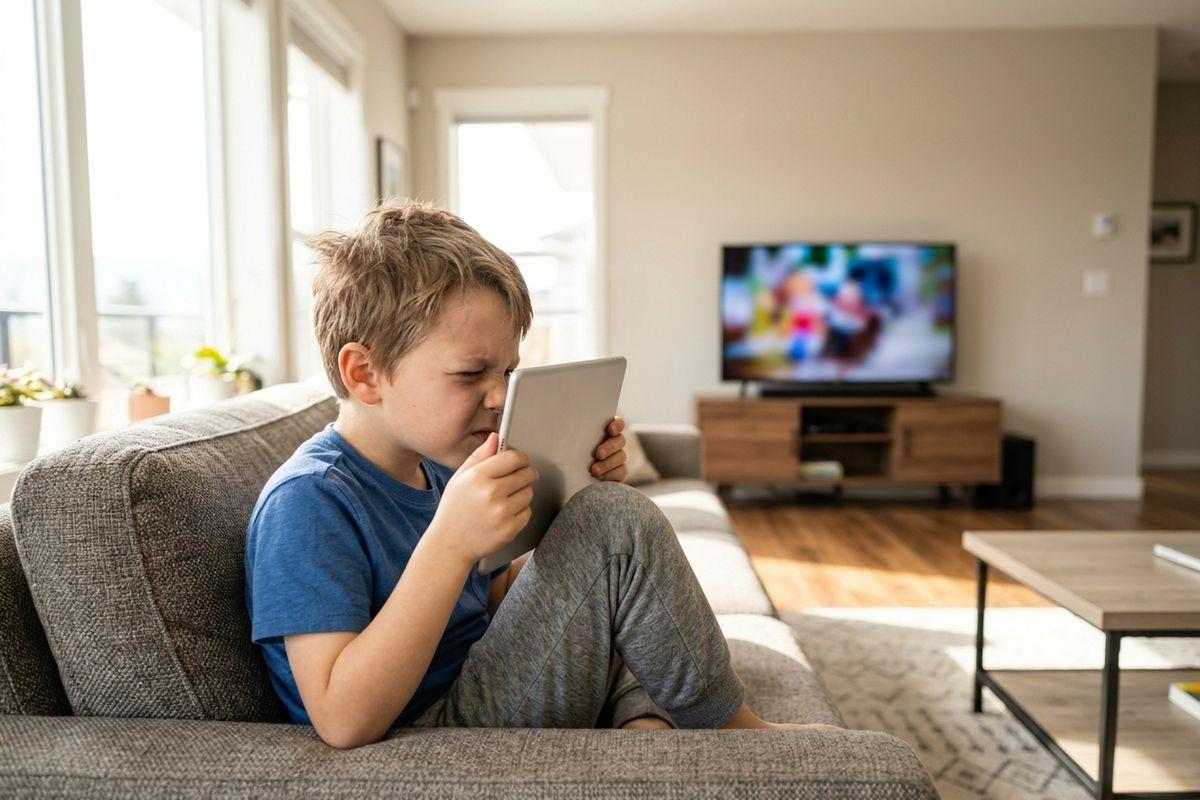
- Squinting to read road signs or the board at school
- Sitting very close to the TV
- Holding phones or tablets close to the face
- Headaches after focusing on things far away
- Eyes that feel tired after a movie or a long drive
What Causes Hyperopia?
Hyperopia usually starts with an eyeball that’s shorter than average. A flatter cornea can also move the focus point farther back.
Many people have some degree of hyperopia from birth. Young eyes can often work hard enough to make up for mild cases, which is part of why it goes unnoticed. A farsighted child may read the eye chart across the room with no trouble, so school vision screenings often miss it.
Signs to Watch For
That extra focusing effort usually leads to symptoms during close work. Look for these signs, especially while your child reads or does homework:
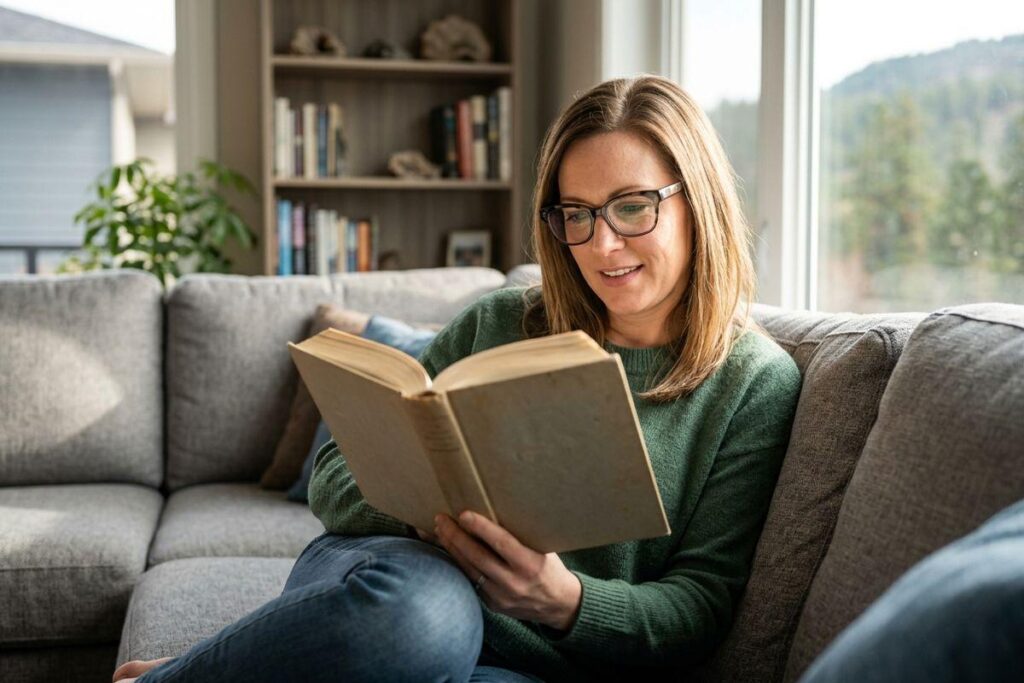
- Trouble reading, sewing, or doing other close-up tasks
- Eyes that ache after detailed work
- Headaches during or after reading
- Kids who lose interest in drawing, colouring, or homework
Key Differences Between Myopia and Hyperopia
Both conditions can cause blurriness and eye strain, so it’s easy to mix them up. The easiest way to tell them apart is distance. Fuzzy street signs point toward myopia, while hyperopia tends to make a book or phone screen harder to read.
Myopia often appears during the school years and can get worse as kids grow, because their eyes keep lengthening. Hyperopia usually starts in early childhood.
During an exam, your optometrist measures where light lands inside each eye, and that measurement guides which lens will correct your vision.
Treatment Options for Myopia and Hyperopia
Glasses are a common place to start. Your optometrist can tailor a prescription for distance, reading, or both. Contact lenses can work well for sports, travel, or long days when you’d rather skip the frames.
Some adults may also be candidates for laser vision correction, and we’re happy to talk through whether it makes sense for you.
Children with myopia need a bit more thought. Glasses and contacts sharpen a nearsighted child’s vision without slowing how fast their eyes grow. That matters because high myopia can increase the risk of glaucoma and cataracts later in life, along with conditions that affect the back of the eye.
If your child’s prescription keeps climbing, ask us about myopia control. These treatments aim to slow progression while kids are still growing. We’ll walk you through the options that suit your child’s age and routine.
Habits That Support Eye Health
Small daily changes can ease strain and support comfortable vision. Try these habits:
- Follow the 20-20-20 rule and look at something about 6 metres (20 feet) away for 20 seconds every 20 minutes.
- Get kids outside for at least 90 minutes a day, which may help slow myopia.
- Keep books and screens at a comfortable distance from your face.
- Use good lighting when you read or work on a screen.
These habits work alongside your prescription rather than replacing it, and they help your eyes feel better through long days.
Get Clear Answers About Your Near and Far Vision
Whether road signs or restaurant menus are giving you trouble, a comprehensive eye exam can show how light focuses in your eyes and which correction fits your life. Our optometrists at iSight Optometry take the time to explain what we find and help you choose between glasses, contacts, or a plan to manage your child’s myopia.
Book a comprehensive eye exam and let’s talk about what you’re seeing.