


Key Takeaways
- Dryness can happen during sleep, leaving a haze over your eyes.
- Your sleep position can create heavy pressure on your face.
- Age-related macular degeneration (AMD) changes your central sight over time.
- Sudden changes in vision require immediate medical attention.
- Routine eye exams help detect problems early.
You open your eyes after a full night of rest only to find the room looks completely out of focus. Maybe your alarm clock numbers appear fuzzy, and the sunlight filtering through the curtains seems blurrier than it should. This issue is a common experience that brings many people to iSight Optometry for answers.
Your vision could be blurry in the morning because of several factors, but common ones include dry eye, pressure changes from your sleeping position, or underlying health conditions affecting your sight.
Common Reasons Behind Morning Blur
Dry Eye and Overnight Dehydration
Your eyes need a constant layer of moisture to feel comfortable and clear. Overnight, tears can dry on your eye surface while you sleep because your eyelids stay shut instead of spreading moisture around like they usually do. This lack of fresh moisture can create a temporary haze over your sight when you first wake up.
If you have dry eye, you might notice a gritty or scratchy feeling alongside the fuzziness. A simple fix is to blink to spread fresh tears across your eyes, or use preservative-free lubricating eye drops. These habits can help improve moisture and clear up the cloudy view.
Allergies and Environmental Irritants
Your bedroom holds invisible particles that can irritate your eyes while you rest. Dust mites or pet dander often trigger morning symptoms such as redness and swelling. These tiny allergens can settle into your pillows and blankets overnight, so make sure to wash your bedding frequently in hot water to reduce this buildup.
Watch for specific signs if you suspect allergies are the problem:
- Swollen eyelids
- Watery discharge
- Intense itchiness
Everyday Habits That Affect Your Eyesight
Sleep Positions and Pressure
The way you rest your head can affect how you see. Sleeping face down puts heavy pressure directly on your eyes for hours at a time, which can temporarily alter the shape of your cornea (the clear outer layer of your eye), making your vision fuzzy upon waking.
Tight sleep masks can also restrict natural eyelid movements and press against your eyes. We recommend sleeping on your back or side to relieve this facial stress. A looser mask or a thicker pillow can also help protect your delicate eye structures from unnecessary force.
Contact Lenses and Screen Time
When we use digital devices, we tend to blink less. If you stare at your phone before bed, you may be drying out your eyes before you even close them. Try winding down by reading a book or journaling instead.
It’s important to always remove contact lenses before you sleep. Your eyes need time without lenses so the front part of your eye can receive adequate oxygen and recover from lens wear. Taking them out helps prevent surface irritation and reduces the risk of infection.
Age-Related Macular Degeneration and Other Eye Conditions
The Impact of AMD
Age-related macular degeneration (AMD) is an eye condition that affects the central part of your vision as you get older. Because of this, it can make it harder to see fine details such as faces or printed words, and it may cause blurred or distorted vision.
Some people may become more aware of these changes in certain lighting conditions, such as low light or when transitioning between bright and dim environments. In some cases, you might notice straight lines appearing wavy or a dark spot in the centre of your vision. Routine eye exams are helpful for detecting AMD early so that you can manage the condition and protect your sight.
Other Common Eye Concerns
Cataracts create a cloudy lens effect over time that can make the whole world look faded and blurry. This cloudiness often feels more noticeable when you first open your eyes to bright sunlight.
Our eye doctor can monitor these changes during eye exams to map out the health of your eyes. Regular visits help our team to track how these conditions progress year after year. Proper attention keeps minor issues from becoming major obstacles to your daily routine.
Red Flags and Signs to Watch For
When to Seek Immediate Help
Most morning blurriness should clear up after a few blinks. But some symptoms may indicate serious medical emergencies that require prompt action. Pay attention to sudden vision changes that do not resolve within a few minutes.
Watch for these serious medical signs:
- Dizziness or a severe headache alongside blurriness
- Slurred speech or trouble finding simple words
- Numbness or weakness on one body side
These combined symptoms mean you need to visit a hospital right away.
Early Signs of Eye Stroke
An eye stroke happens when blood flow to your optic nerve (the nerve that sends signals to the brain) or the back of your eye gets blocked. This event usually causes a sudden, painless loss of vision in 1 eye, often described as seeing a dark shadow fall across your line of sight.
Seek urgent medical care the moment you notice these symptoms. Quick medical attention helps limit long-term damage to your delicate eye tissues.
Simple Fixes and Preventive Eye Care Solutions
Dry Eye Treatments and MacuMira
You can add a few simple steps to your nighttime routine to reduce morning blurriness. A warm compress over your closed eyelids helps support blocked oil glands, and using artificial tears before bed can help provide extra moisture throughout the night.
At iSight Optometry, we offer specific procedures to support long-term eye health. MacuMira is a noninvasive treatment that may support healthy retinal function for those dealing with dry age-related macular degeneration.
Routine Care with an Eye Doctor in Kelowna
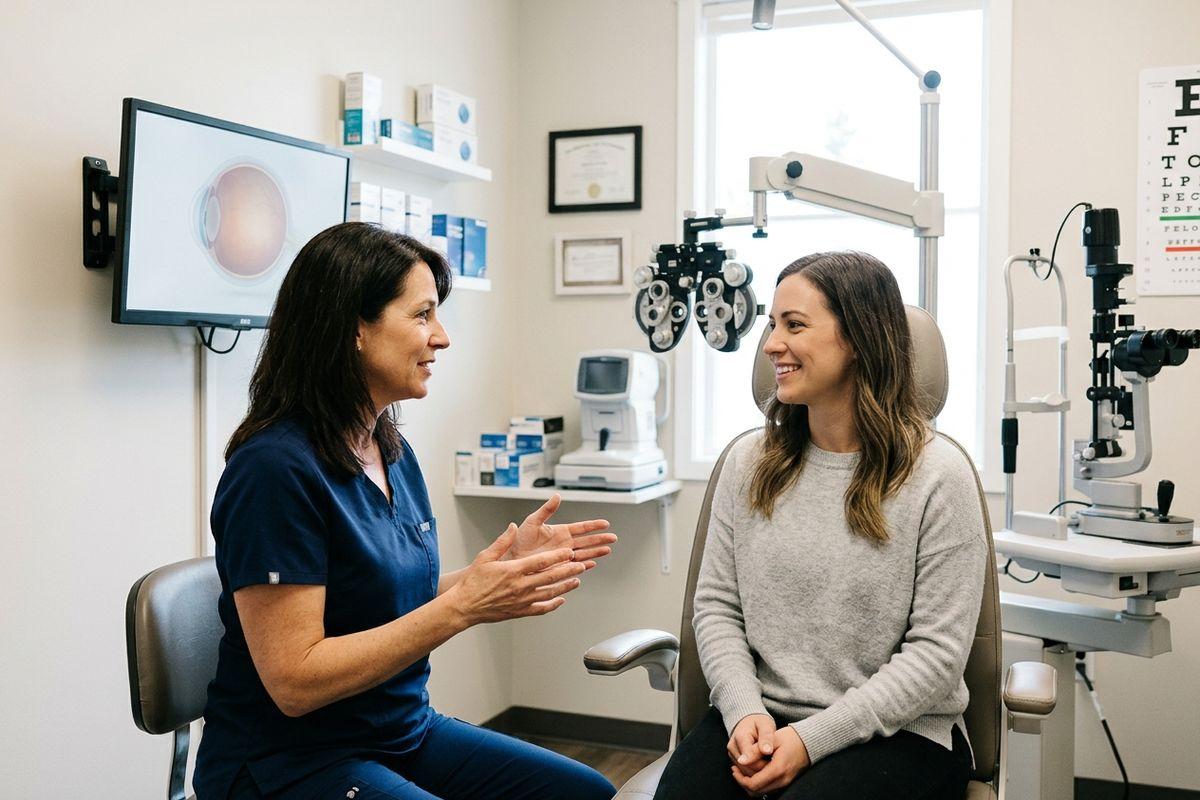
Finding the right eye doctor in Kelowna can help your whole household maintain clear sight. The eye doctor provides personalized attention for your family at every stage of life. This ongoing relationship builds a strong foundation for lifelong vision health.
Schedule Your Eye Exam
Whether you’re struggling with dry eye or are worried about AMD, our knowledgeable team can help. Schedule your next visit today.